“In His Own Words” – Phil talks about But Seriously, Both Sides And Dance Into The Light.
What follows are a series of edited extracts from interviews Phil gave at the time of the release of these albums...
But Seriously...
INT: Although you've been constantly in the public eye, producing and playing with other artists and appearing at fund raising events, this is your first solo album in five years. How do you feel about that?
PC: I think it's important that people know this is my first solo album for five years. Because people think that Buster was a solo project and they think that the Genesis things are kind of mine, well they are mine but because I'm the singer they think I do everything you know. It's always the way. And so that to me is the most important thing. OK, you are sick of Phil Collins but this is the first album he has done since No Jacket Required! I always try and do something that I haven't done before and on the last album I tried to write some more dance orientated music with some degree of success I suppose and coming from the Buster stuff with Two Hearts and A Groovy Kind of Love, OK I didn't write A Groovy Kind Of Love it was done for a specific project, it wasn't me thinking; 'Phil Collins solo, I'll cover this song'. It was done because it was the right period for the film. And so this is the first thing since then and I wanted to ty and get people who maybe thought I was going a bit soft with A Groovy Kind Of Love to say this is me doing what I do now. |
|
INT: Tell us about the title track of the album and its first single; Another Day In Paradise...
PC: But Seriously is the title and I found it very hard to come up with a title because it is always something that an album is going to be called forever and so it is hard to sit down and say this is the title. Song titles are the same, I came up with ...originally the title was going to be Serious Business but then there were the connotations with business and it wasn't like that and so it ended up as But Seriously and I think that we went along in that direction with the lyric because I just write about what comes, if you know what I mean. I write the music and on a song like Another Day In Paradise for which the working title was Homeless and I wrote those lyrics at the same time as the music, I played it at the piano and the words came out and we were cutting the single in London and I had just come out of the studio and I crossed the road and this woman with two kids said to me 'give us some money, guv...' as she obviously didn't have anywhere to go and it’s not just us, it's everywhere and when we played Washington there were these people asleep... or trying to sleep on the grilles where the hot air was coming out and you could see it was in the shadow of Capitol Hill you know, and I thought it was an extraordinary contradiction. What it also deals with is people's awkwardness with it. When it happened to me I just walked straight past and I thought I'm just doing the same as everybody else and what do I do? I felt awkward and I didn't ignore her but at the same time I didn't stop and give her some money. There are two arguments; do you give money to people like that or don't you, I mean you could give someone who is an alcoholic money and they will go and buy some alcohol with it. But it is just people's awkwardness really and that's what the song is about and people pretending it’s not happening.
INT: How did you get David Crosby to sing on the album?
PC: When I did my first album I said to John Kolodner who was a very integral part of the first album because I didn't know any of these people and he said to me 'who do you want on the album?' and so I gave him a list of people; I want the Earth Wind & Fire horns, and I want Stephen Bishop but by this time I knew him. I want David Crosby and I want Arif Mardin and Eric Clapton whop again, I knew by that time And he came back to me and said 'Crosby's out of it on his boat, you won't get him back' and I said Oh that's a shame as he was one of my heroes and I didn't get him. And I just love him so much, even with The Byrds all the bands I have ever been in have done covers of Byrds songs and Crosby, Stills and Nash, I think he's the key member of that group because he's the one who plucks the notes out of the air and sings . So I approached him at his fortieth anniversary gig and asked him and I sent him a tape of the song and when I got to LA I sent him a couple of rough mixes of the two songs he was going to sing on and he came back and did exactly what I expected him to do which was great and he just picked a few notes out of the air that I would never have thought of and sang them.
INT: How do you write songs?
PC: I write the chorus and the drums and stuff and then do the demo and play it back to myself and I sing. And whatever rubbish I sing is recorded and I filter through the rubbish for something worth keeping you know (laughs) and sometimes... Sussudio was born like that and sometimes it works and sometimes it doesn't . Usually you will get some lines where you will get something and Hang In Long Enough was one of those things. And obviously it was going to be a key horn track and I am fascinated by certain areas of black music because I find it closer to every time I record and it still ends up sounding very different from R & B when it comes out but it’s just my attempt to do something in that field.
NT: How did you approach the vocals on the album...?
PC: We've actually made a conscious effort to keep the effects off the voice on this album and I listen back to a lot of the old stuff and for everything up to and including the last Genesis album I would have a harmoniser on the voice, I would have echo and it would be a vocal effect if you know what I mean and I just think that was covering up my own feelings of inadequacy on singing. And this time I just thought... A, I was singing better but also let's just have it warts and all with a bit of reverb to put it into perspective but no effects. There is very little effects, occasionally there is a little bit of slap echo just like the old rock and roll to push it out a but I tried to keep it a bit more honest and up front.
INT: Tell us about Something Happened On the Way To Heaven and Colours...
PC: This is one that has been in a lot of places this one. I wrote it for the Four Tops but never gave it to them and I kept it and it was a bit of a bland chorus and we recorded it because most of the album was done as usual with me doing piano or keyboards and drums first and then getting people in to do this and that piecemeal. There was no track and none on the last album that were done as a band with more than one musician in the studio at the same time but this time I thought let's have a couple of tracks done with the band and this is one of them where we had me Leland (Sklar) and Daryl (Stuermer) playing and we just rehearsed it and went through it and then Daryl said, I've got some different chords for the chorus which might be interesting and so we changed that and by this time Leland had gone back to America so we got Nathan (East) in to play bass on it and basically I had the chords written and the changes that Daryl had made it much more interesting hence his credit on that. The change he made the song come alive.
I was going to call it Oh Mr Porter, What Can I Do? And I was going to call it Oh Mr Botha What Can I do? And there are two songs there that were spliced together as one thought and the first one was called Hymn for a while and it was just a look at what... basically a song written like the newsreels you were seeing and it was endless and everyone saw the footage that accompanied the Live Aid thing and it is still happening, it has not gone away and everyone thinks that if you have raised that much money, it's gonna stop but it hasn't.
INT: How do you feel about musicians sampling your drum sound?
PC: It's flattering that people wanna sound like me and that's OK by me. The idea that you can go in legally and copyright a sound, I have never gone in legally and to me it’s the personality playing the thing that makes it what it is and so you have got people who have got my “sound” but they haven't got my personality, they've got their own personality and it is like you can play a Stratocaster and get Clapton's sound but you won't sound like Clapton because he is what he is, so. Sampling is OK, I mean I sampled a whole bunch of James Brown stuff the other day just for fun and there is an art to using that stuff properly. We actually put some drum sounds on this album which we disguised, put echoes and there is one song which isn't on the album but it has a very exposed drum fill at the front and we knew that people were going to sample it so we put a backwards echo on the whole thing that led up to the first downbeat of the song so people can't sample it.
BOTH SIDES...
INT: What made you decide to play all the instruments on the album?
| PC: One of the problems I'd encountered on earlier albums was that I would always fill out the bass end of the demos because...well it sounds a bit tinny without and Leland and Nathan and Pino, the guys who came in and played bass would always have to skirt around what I had already done because I was using the demos and that made life a bit difficult for them. So, I thought this time, because at that moment I'd still thought I was going to bring these guys in, and I hadn't really formed an idea of what I was doing yet so I started playing bass on the keyboard just to fill in and then I started having a good time doing that and thinking hey, this is good. And I had never played bass before and the more I did the more I enjoyed it. At the same time as feeling like that these songs were starting to come out that were very personal and luckily for me, the kind of songs they were helped the fact that I didn't want anybody else on it. And I did the same thing on guitar and thought if I can do this on bass hen maybe I can make it sound different to the previous Phil Collins albums by putting some guitar on it and so I tried some guitar and some little lead ones which I had never played lead things, I 'm pretty much a chord man on the keyboards and I started playing little lead lines that you hear on Can't Turn Back The Years and Can't Find My Way and those were all the original parts I did at home and I suddenly felt, these songs are far too personal for me to let anybody else loose on and at the same time as that I'm having a great time rising to the challenge of doing it all, so I know what I am going to do, I'm going to use these demos and I am going to do the lead vocals at home as well. I'm going to try and make it... because I can get things out of myself without people around like engineers because there's nobody around at my house just a twelve track machine which I can operate myself and engineer it myself and so I did it. And I didn't have to just describe… I mean I love working with other people and god knows how many collaborations I've done in the past and it is just...maybe it was a reflex action after just coming out of a Genesis tour and I wanted to do things my way ...more my way than ever before and especially with the songs being the kind of songs they were that it was more my way than anything else. |
|
INT: How did you manage to play instruments you are not usually associated with?
PC: None of the guitar parts or bass parts are played, they are all sampled sounds but I had to think when I played a chord on a keyboard sound or a guitar sound on a keyboard but played it with a keyboard inversion it was naff, it sounded terrible so I had to think about how guitar players... get a guitar player in this room and show me how would he voice it? And that was interesting and trying to find a guitar sound that somebody would come into the studio afterwards and say I thought you weren't using a guitar player? You know, that kind of thing, alright we've got the right sound then! And the odd nod in the right direction helped.
INT: As a drummer, do you find yourself favouring the drums on the album?
PC: I use drums where I think they are needed and I don't have this tendency because I'm a drummer to...of course there's going to be drums on everything whether it’s a drum machine or drums on the demo I am going to use drums because I couldn't play as simple and hypnotic . I play very simply nowadays but I don't play as simple and hypnotic as the drum part on I've Forgotten Everything or even Can't Turn Back The Years. Some of those things I wanted on Can't Find My Way and another song like Both Sides Of The Story which has got a hypnotic drum part all the way through it. I just transferred that drum machine part to the drums. I almost see it as my Born In The USA its apart an riff all the way through it.
INT: Did you begin the project with the idea of changing the Phil Collins 'Sound'?
PC: Sometimes it is easier than others I guess. I am always interested in you know there are ten million people who mainly buy my records so I am more interested in the fifty million that don't not because of the financial gain but I am more interested in why people don't like what I do than people who do like what I do. So you are always trying to change and say let's try this, I wonder if this is an interesting way to go? I'm not writing for people and obviously I'm not writing for the people who like me or the people who don't, I am writing for me but once you get past that stage that you have written a song you hope that at some point you might be re-addressed and reassessed . I made a few decisions on the album that were unlike things I'd done before and because of the absence of R & B material if you like and if you write things that have got more of an up and there are a couple of songs on the album that are up tempo things but didn't use any horns . I actually thought that was a good change and I actually tried to do that on the last album but I didn't as I couldn't resist it. But this album was a change of direction and people always expect a bit of this and a bit of that and I wanted to make an album that had an overall feel to it and a mood and you get dragged in by the first song and saw into this person's world . I would never have sequences three, four, five slow songs together but it is that kind of Blue Nile/Weather Report/Miles Davis attitude that you put the needle on and it just grooves all the way through in that particular mood and if you don’t like that particular mood then don 't put that record on.
INT: Give us some background on Both Sides and Can’t Turn Back the Years...
PC: The song started off as just being the lyric that I came up with originally which was 'you are always going to hear both sides of the story' now that is a little bit of a hint as to what the rest of the lyrics are about like, you do something to somebody and they will be hurt by it but if they knew how you felt they night understand, hopefully. If you see both sides of the story I would understand how it would be to have that hurt done to you but I didn't want to make it...I decided not to lay it out on the line one to one basis so I just took little scenes from films really, the Catch 22 situation of the homeless guy who is not necessarily a bum but just someone down on his luck, sleeping in the gutter and can't get a job and can’t get any money because he can’t get a job and he can't get a job because he hasn't got any money and he hasn't got a house and so it goes on in this circular thing that you can't break out of and all he wants is ; a bit of respect so he can get out while he can' because every night he sleeps with that potential threat and that's the darker side of someone living like that.
Then you get the different scenarios; the family that is breaking up; the line that's drawn in the sand with religion with your neighbours, because one is Catholic and the other is Protestant and you are not allowed to talk to each other and the last verse which is proving to be quite controversial in so much as it is upsetting people; the gun control thing and it is basically a scene from Grand Canyon, I found footage from that and a film like Falling Down and they influenced or consolidated some of the things that I felt. So suddenly you find a guy who is out of his depth and doesn't know that this world existed because his car breaks down or whatever and it is a very uncomfortable situation and he is accosted by this guy, this ghetto kid who pulls a gun on him and who says do as I say, you wouldn’t respect me if I didn’t have this gun and the guy says no I would 't and the kid says, that's why I carry one because I am fed up of getting no respect. And it is a question of seeing the other side of the coin as that is a key to a lot of racial tension in this country and the world over whether it is anti-Semitic in Germany or black and white in this country its all down to communication and that is why I stripped everything back bare so you could hear it and the argument is you are gonna give these kids a gun license because Phil Collins thinks it’s OK to carry a gun? And that isn't what I am saying. What I am saying is we should understand the situation they've been place in which causes them to carry one...
Well, it's I can't do anything about this so it really is too bad, isn't it? That's the situation that I am in and a lyric that actually seems to be summing up the whole record that I never really thought it would be but I keep on using it to describe the record is; 'the bridges that just won't burn' and the ghosts that come back to haunt you. There are things in your past that you believe you have laid to rest or have had laid to rest for you and suddenly they rear their heads and maybe these feelings that I am now forty, forty one maybe has something to do with it but I am not consciously aware of that. You don't feel like your age ...and there were some things in my life that went on that are reflected in these songs and I can't really get specific and people will jump to conclusions and add two and two and make five and say 'oh, his marriage has broken up...he hasn't got over his first wife yet'. Well neither of those two are true I have a great, really solid marriage and I am well and truly over my first wife and that is dead and buried and we get on great and we have our children but that’s not in the ballpark any more. There was an added element from way back that came and walked over my grave!
INT: Where did the inspiration for We're Sons Of Our Fathers come from?
PC: This song came about from a series that was on English TV and may be shown on Arts & Entertainment, which was a look at each decade of the twentieth century every week a look at famous people and what the perception of fame was and it was fascinating and in the Twenties, Thirties, Forties, there were really interesting and important politicians, great minds that shaped our lives and the way we live now ; great inventions; really important people. Then there was the war and important politicians trying to stop the evil and then there was the Fifties and recovery and important politicians ...and it was generally people who were famous for the right reasons and then you get to the Sixties and it was Kennedy and The Beatles and that was important and then when it came to the Seventies it was Kojak! (laughs) No disrespect Telly but... Kojak and Canon and Magnum and whatever and it highlighted to me because I was looking forward to another programme of important people and it highlighted to me the fact that the invasion of the small screen and the big screen into our lives and that in turn led me to think about the breakdown of the family unit and at the same time and at the same time as this we had a little boy called Jamie (Bulger) who was abducted and killed by two ten year olds . Then the papers started writing about how young the young offenders were and I was thinking this is ridiculous, we have ten or eleven year old kids on their way to court for murder!
There has always been that element even in Dickensian times of young offenders, the Artful Dodgers but it is mire rife nowadays and younger kids are older nowadays and it seemed to me that because of the influx of television and there was a lack of communication at home; kids would be watching something in one room and the parents in another room and the heroes of today’s society; the Madonna’s and the Schwarzenegger’s are important as film stars but they have also become politically important and it seemed like guidance was lacking from parents and that is what this song is kind of about and I bring myself back every time I start to talk about this to sounding like MY dad which is why it is called Sons Of Our Fathers and I believe that things can be righted but I think there has to be a huge u turn and the longer we go, the bigger the u turn.
My son, I've got a seventeen year old son who is a great drummer and he was playing me a CD of one of his favourite bands in the car on the way to the studio and the guitar was great, the drums were rocking and the singer came in and I said, what the....? What do you see in this? This is absolute crap! And he said, dad the guy's singing great and I felt OK, cut to twenty years ago and I do think and I do say in the liner notes, was the world a better place and it seemed to me that it was and I know, in retrospect it always is a glossier time; You Can't Turn Back The Years and some of it must be metaphors now that I think about it but when you look back on it, was it better? I t seemed to me better. I've got Lily, four and a half years old and we haven’t trained her (laughs) we haven't disciplined her to the point of saying please and thank you but gently saying; say thank you, that's nice and she does it now without thinking and people have asked, how old is you daughter? And I have said; four and a half; and they have said; she's so polite and you thin, what? We don't drum it into her it is just the way you are brought up and we have an interest in her and of course you can say that when you have an awful lot of money and you don't have to work and I'm away an awful lot, and she comes with me but you have an influence and you have a guidance and more parents should try and have more of an interest instead of kids just growing up on their own but living in the same house.
INT: When You write and record a song, does it occur to you that it will go down well with a particular audience?
PC: Well, there are certain songs which you can imagine them being on the radio in the States but other than that, I think that is the only kind of little area that I think of and go; oh yeah, I can imagine that on the radio. But to be honest, the music is written for itself and for me and the only time I start to think about other people is when I start to talk to journalists and other people and you realise other people are gonna hear it and it starts to scare you.
INT: When you are on tour do you get the chance to absorb the local music scene and possibly discover new talent?
PC: I can't say that I have discovered new and exciting talent but that's mainly because I don't get out . I mean on the road I live pretty much looking forward to the evening show and that means I have to be quiet and I have to go to a steam room and I have to eat by a certain time it’s not a very sociable life on the road. A lot of people think it’s fun and the show is what your whole life is about, the show is the moment and it is hard to have a great time when I can't get out of my hotel room! Most of the time it is living in fear of losing your voice. So I don’t get out much with the chance to see local talent.
INT: What is your most personal piece of work to date?
PC: I don't get any nearer to the bone than on this album.
INT: Do you feel that your critics misunderstand you?
PC: Well it’s not a misunderstanding so much as ...disregarding and brushing aside . I mean, I shouldn't be talking about it because it wastes too much valuable time talking about a large camp of people for whom intellectually I have nothing to offer because it is the Cabbage Patch Kid syndrome and my face header at home is a Cabbage Patch kid, I'm quite happy with that I see the humorous side of it . But at the same time there are those people who the intellectual critics who can see that its black and white and because you have success they immediately assume that you have lowered your standards to the lowest common denominator but it only that really I just wish I could be a bit more re-assessed from the critical point of view. I think people tent to pre-judge and predetermine what you are gonna do which is why you have to play psychological warfare; what's the first single that's gonna come out and everyone wanted to put Everyday out as a single now that to me is the obvious choice but I would rather have Both Sides Of The Story which when people here it would say; wow, that doesn’t sound like Phil Collins, I wanna hear more . I always assume that the people who don’t like me or who don't listen to what I do I am more interested finding out why they don't.
DANCE INTO THE LIGHT...
INT: Musically and lyrically this album is such a profound change from Both Sides. How did that change come about?
PC: I chose the title Dance Into The Light I suppose because it encapsulated the feel of the album and the change from the last album to this. A lot's gone on... a lot's gone on in my life. Another title I was thinking of was Out Of The Woods which is a phrase I like because it is emerging from the very dense jungle into daylight, and I like that idea. But Dance Into The Light was actually the title to a song and the song came first. I just thought it summed up where I am in my life and the mood of the album... and I hope it spells out to people that it's Dance. Dance in A Phil Collins title? Well that mist sound a bit different . Maybe they will approach it with that in mind... |
|
INT: A lot of the songs have that “African” sound that you've been talking about, almost that tribal rhythm. Being a drummer is that what interested you in the African sound?
PC: There is a big change between this and the last album and I think – well, anyone who reads a newspaper will know what's gone on in the last couple of years in my personal life . The songs are supposed to be either about things that bother you, move you, motivate you, to tell other people how you feel. What you should be doing, you know, change this socially and politically... Or they are songs about where you are as an individual. About you and how you are in your own life. I tend to write both kinds of songs really. But the last album was where I was at the time. I was feeling very sad. It was my best album, you know. But the tone of the songs was sad so I suppose most people will consider it to be; 'Oh he's alright now, with the new album, he's found his sense of humour again..' But really I didn't change physically change that much,I mean mentally or physically. It was just that some things happened in my life that led me to writing those songs and that in turn led to my divorce and all that went on after it.
So, this album was born on the road, on my last tour, when all of that was going on. And I was listening to a lot of Youssou N'Dour and a lot of African music . As well as what I would normally carry around with me, Beatles stuff and things like that, and you know, it comes on here and goes out there, so anything you listen to you get influenced by. And I found I was writing a lot more up, a lot more rhythmic things . So, having started the record with some of the songs at that point on the road, I then left it for about six, seven, eight months before I started working on it and I think the reason they are so buoyant is that's the way I feel – quite simply it’s a change in my attitude and in my life I'm quite happy of people really try to find out where I am from my songs. I mean, the reason I started writing songs is due to what happened to me with my first marriage. I wasn't really writing songs as such up to that point . I just wrote bits and pieces, arranged songs with Genesis and came up with verses or choruses which they used, but I didn't consider myself to be a song writer . I was a drummer. And when my first marriage broke up I was compelled, if you like, to start writing songs really as a way of getting those feelings across to my then wife . She was the one who left me, so I was upset about all that and I started writing these songs and they were autobiographical, they were like a diary. You read these and you find out how I felt – about my kids, about 'how could you do this to me?' So that's the way I came into this business, if you like. And if that's your first record then you've got – what's the phrase? 'Nothing left to hide' And I think that is something people found appealing.
I write songs about me. The songs I've finished anyway. Wear My Hat, Take Me Down and It's Everywhere – while one of those might not be on the record – those three songs are so energetic and so different for me and so full of this African influence, that to me I just knew this album was going to be different. To me they are the core songs on the album. Then after that came Dance Into The Light . I started to deliberately write songs – in fact, most of these songs are deliberately written with less keyboards than I would usually play, and more guitar. I don't play guitar but I play guitar samples and you try to make it sound like Tom Petty strumming a guitar and that kind of thing and that changes the way you write songs considerably. So that a song would sound a certain way on piano or a sustained chord instrument sounds completely different if you play it like a strum guitar. So that helped move things in a different direction.
So I actually thought at one point with the new record, I thought before the songs were actually formed; “I’m gonna get a producer to do this, I’m just going to walk away from it” I want to walk in at the end of the day and not worry about it, to come in at the end of the mixing session each day and say; “right, that sounds great, thanks...” and walk away as opposed to living, breathing and sort of dying with it, you know. So that was the first thing that crossed my mind, that was a knee-jerk reaction to the fact that I did everything on the last record. Now, I wouldn’t have changed anything about the last record. So with this, apart from anything else I thought let's have a change – I did that and now I want to do this . I don't like staying in the same place, musically speaking all the time. So, I'll get Hugh (Padgham) back . Now Hugh Padgham and I did Face Value, Hello I Must Be Going, No Jacket Required and But Seriously … we didn’t work together on the live record and we didn't work together on my last record . We did three or four Genesis albums together. So, you know he's part of my team, if you like, we work together.
Originally the idea was that that I was doing my demos like I normally would do . And on the last record those demos became 90 percent of the record. Previously they'd been 60 percent, 70 percent of the record, maybe 50 percent in some instances. Now with this I thought, OK, I'm going to get musicians to play on these tracks so I won’t take any care with the demos. I'll just get them down as a structure. And then of course, as you go on you realise you LIKE the way you played that, you LIKE the way you did that. So I ended up doing half and half, using my demos as templates if you like and getting my guys to come in and play what I played and add something of their own of course. So we had another keyboard player coming in to add to my stuff or to replace it with a guitar player coming in. I had one of my oldest friends, Ronnie Caryl who I haven't played with once I was fourteen, we've stayed in touch obviously, you know, we used to be in a band together (see feature on Phil's pre-Genesis bands – ED) playing Cream songs. I got him in the band, he's now in my band from all those years ago and he came in and played rhythm guitar which gives things an edge because he is a very rough character as opposed to Daryl (Stuermer) who is quite a smooth character you know.
Arnold (Mc Culler) and Amy (Keys) they sing with me and it just makes the tunes sound different from the way they would normally sound, because these guys have not played on my record, to all intents and purposes for two records, because the love album was a greatest hits and the last album was all me. So it just adds up to making a different kind of colour . And with the last record people were saying they were disappointed I didn't play more drums, and to me, I write as a songwriter and although I'm a drummer, I don't mind if I don't play the drums. It doesn't bother me, I’m not threatened by it. I write the songs and if a drum machine part is part of the atmosphere I won't replace it, because you can't take that atmosphere away if its coming from the sound of the drum machine. If it’s coming from the fact that it never changes, its relentless, hypnotic, so I use it. But I can understand why people were disappointed there wasn’t more real drums. So this time I took all the drum machine off, I played all the drums myself and every track is real drums, which definitely makes each song on the album more lively.
INT: Where was the album recorded and did that have any effect on it?
PC: According to the album sleeve notes, which I wrote, its recorded somewhere in Europe I don't know whether I'm supposed to say where it was recorded . We recorded the album in France and we recorded it with Sting's mobile studio and we went on... I wanted to do it close to where I lived . I didn't want to go to Paris., I didn't want to go to London, I certainly didn't want to go to America to do it. You know, I wanted to come home every night. So we did it with a mobile unit. And we found this hotel, a chateau and it was closed down for the season and we just rented it. We arranged all the rooms for the musicians, we had a chef who came in and cooked lunches and dinners. They stayed there, I went home... we had the best view you could possibly imagine. We had a huge room which was all panelled oak with the desk and three huge French windows that overlooked the Alps. It was an extraordinary view . You open a window and you just walk outside on to the patio and have a bit of lunch and 'this is making a record!' it was fantastic. Whenever you wanted a break you just turned around and there was this fantastic view. So it was a heck of a way to make a record. Having said that, the songs I actually did the demos in my little shack you know, 10 x 12 bedroom, the spare bedroom in this little house we have in Switzerland, so the songs were born, they paid their dues, they were born in a shack but they were recorded in a chateau!
The songs...
Dance Into The Light... “Dance Into The Light sums up the record, it’s about freedom. Literally and lyrically, it’s about someone walking down the street and saying, 'Come on, you know, take the shutters down, open the doors, come out into the light because it's OK...' And you know that is true of South Africa and you hope it is going to be true of Bosnia . It's places, people in places having the weight lifted off. It is also I have to say, probably subconsciously, about finding something myself. I have always been terrible about saying 'I have found happiness' so I have to say that I found a freedom and a happiness and that is indicative in Dance Into The Light and that is what the song is about...”
That's What You Said/It's In Your Eyes... “are both Beatles really. In fact when I sent my demos to my keyboard player; Brad Cole ; he said; 'this is what Free As A Bird should have sounded like!' Because its more Beatles than the Beatles reunion thing . I mean those two songs and there was a third one which sounds like it could have come from A Hard Day's Night but that's not on the record but to me it’s the kind of feeling you had. I get that feeling when I'm listening to those two songs as I did when I first heard All My Loving. And I get that kind of smile...”
Wear My Hat... “I didn't think about the lyrics, they just popped out. It's about fans. Sometimes it makes me angry but usually it makes me laugh, the fact that people will come up to you and say 'I love you, you know I mean I really love you man...' But they don't know you at all... I always wonder what happens to those little bits of paper . If you've got an autograph book, OK but a bit of cigarette paper or a cigarette packet, you know they are going to lose it.
Just Another Story... “Is three little films for me. I guess on the same way that Both Sides Of The Story was trying to give different examples of how frustrating Catch 22 is for people who can't get a job because they haven't got capital so they can't get an address, so they can't get a job. So the song Just Another Story is about going too far, people just taking that one step they shouldn't have done ; the relationship breakdown at home.
Then the next is the kid that goes to school. You spend the first five years with your child teaching them what you think they should be like, then they go to school, and you lose them. They find outside influences, peer pressures...
The last one is the guy who is quite happy in his warehouse factory job, guys are very nice to him but then he starts to think … I drive a Pinto but they're driving an Oldsmobile or something, you know … why's that we are in the same job? Then he realises they are out there doing illegal stuff . So he's in a difficult situation and so to me it’s just that little step too far that takes you over the edge and you have a disaster on your hands...”
Same Moon... “This is the love song of the album. Well, I was on tour and everything that had happened, people that know me or that follow what happens to me, they know what we're talking about...that had already happened. I was in a different place, personal life wise, and Orianne would, she would fly out to the tour to be with me... It was a very intense time for lots of reasons. The press were hounding everybody, they were camped in my hotel lobby. They were following her, her father and grandfather were dying of cancer and my wife, now my ex-wife, Jill she couldn't take Lily to school because they were outside the house and she was in a terrible state. But we had this agreement ..we had this idea that when we couldn't be together at a certain time you could look at the moon if that person, wherever they were, looked at the moon; you'd have a sort of connection. And so that's it. That's the same moon. Wherever you are, whenever it is, just tell me and we'll look and that's that...”
Lorenzo... “I was at the premiere of Lorenzo's Oil in London. I met Lorenzo's father, the real father backstage before the film started and he is a very nice, warm man. Then I saw the movie ...it showed remarkable strength and resilience to conquer … the medical world that said that nothing could be done but they parents learned to become doctors so they could save their son. And I was amazed at that kind of determination... Then out of the blue I got sent this fax sent to me from Michelle Odone who is Lorenzo's mother and she said that Lorenzo had written the lyrics to her and that he asked, I guess because he listens to music ad asked would I put music to his lyrics? First of all I was amazed that this had happened because I had actually felt a connection because I had been so moved by the movie. So I looked at the lyrics and because they were based on his life, and because he had started life in Africa, I felt it would fit musically with what I was doing. It wouldn't be out of character with the music I was writing. So the proceeds, the royalties will go to his charity...”
The Times They Are A-Changin'... “I suppose because there are certain songs you consider to be classics. First off. The lyrics are just as relevant today as they were then.
Text taken from the following:
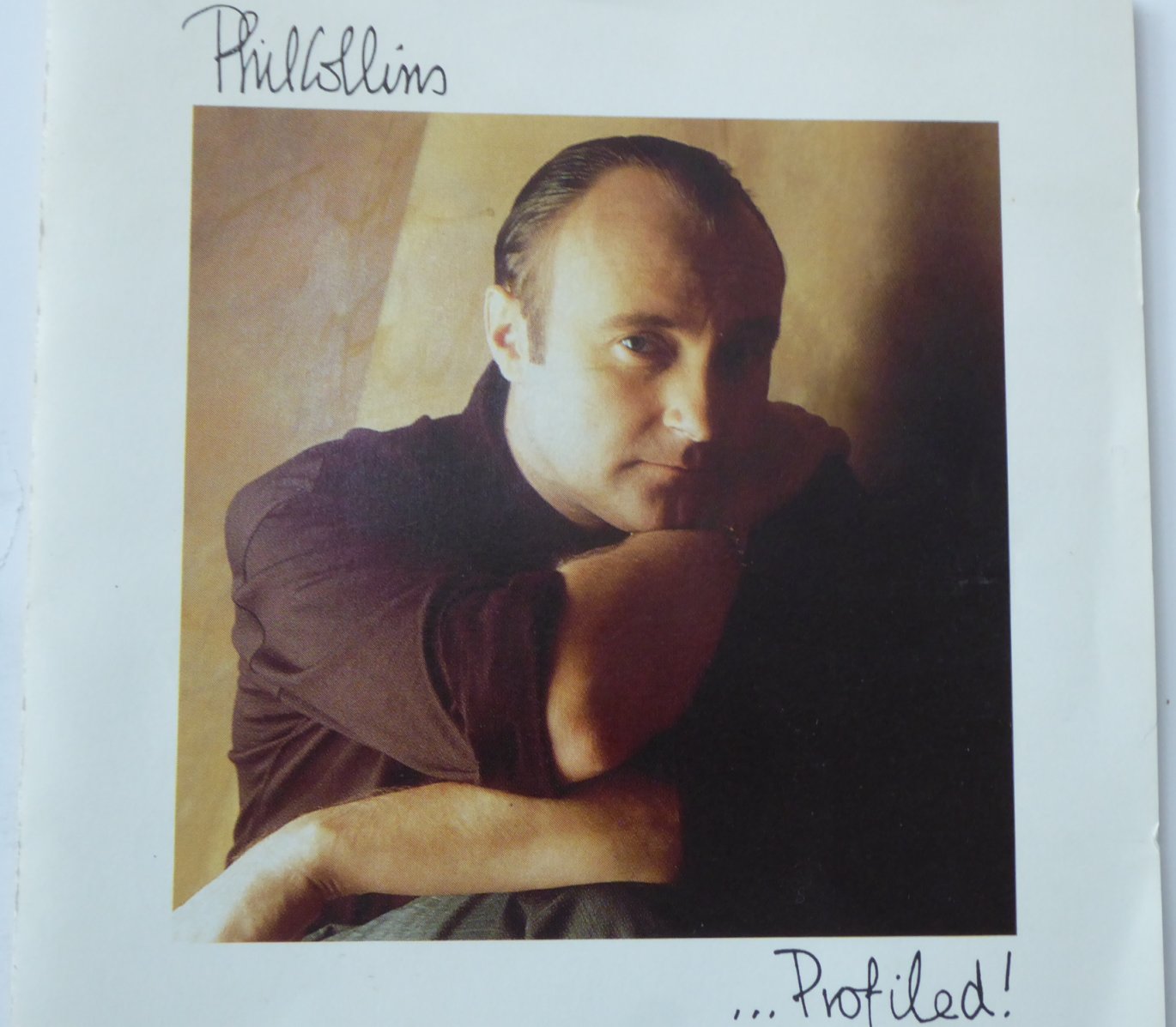
“Profiled” Interview Disc Atlantic Records 1989
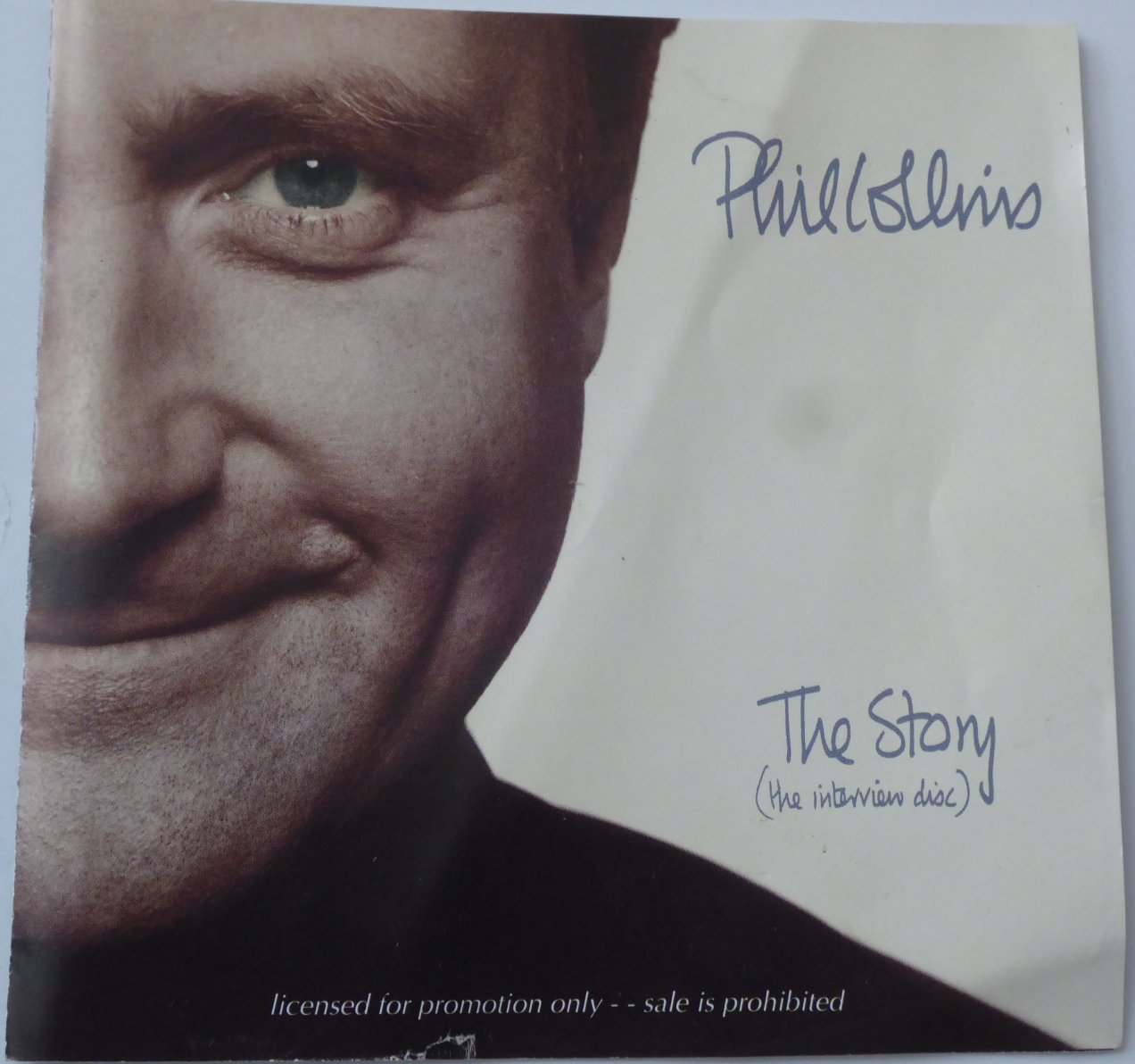
“The Story – The Interview Disc” Atlantic Records 1993.
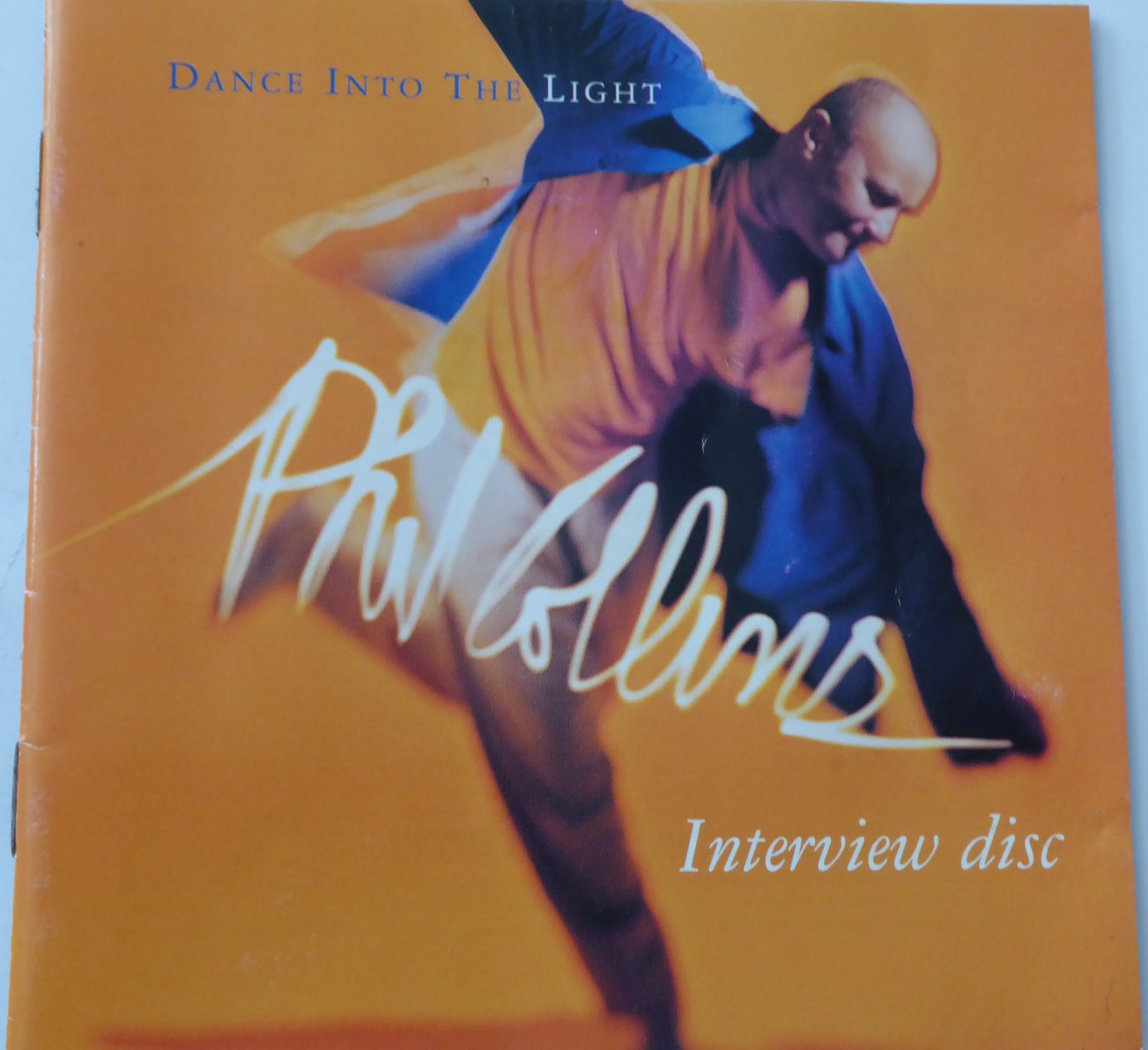
Dance Into The Light Interview Disc 1996